
We know how difficult it can be to measure what truly drives marketing results. Even with dashboards full of metrics, identifying which channels or campaigns actually move the needle often remains unclear. Advanced analytics helps us track performance with precision, uncovering which efforts create measurable growth and which drain resources.

By using data models, attribution tracking, and integrated analytics tools, we can connect every impression, click, and conversion to business outcomes. This approach replaces guesswork with insight, guiding smarter decisions about where to invest our time and budget. It allows us to adapt campaigns in real time instead of evaluating successes and failures weeks later.
As we explore advanced analytics for marketing performance tracking, we’ll examine how the right tools and methods reveal actionable insights, clear common doubts, and strengthen strategy. The goal is simple: make our marketing more accountable, transparent, and effective.
Frequently Asked Questions
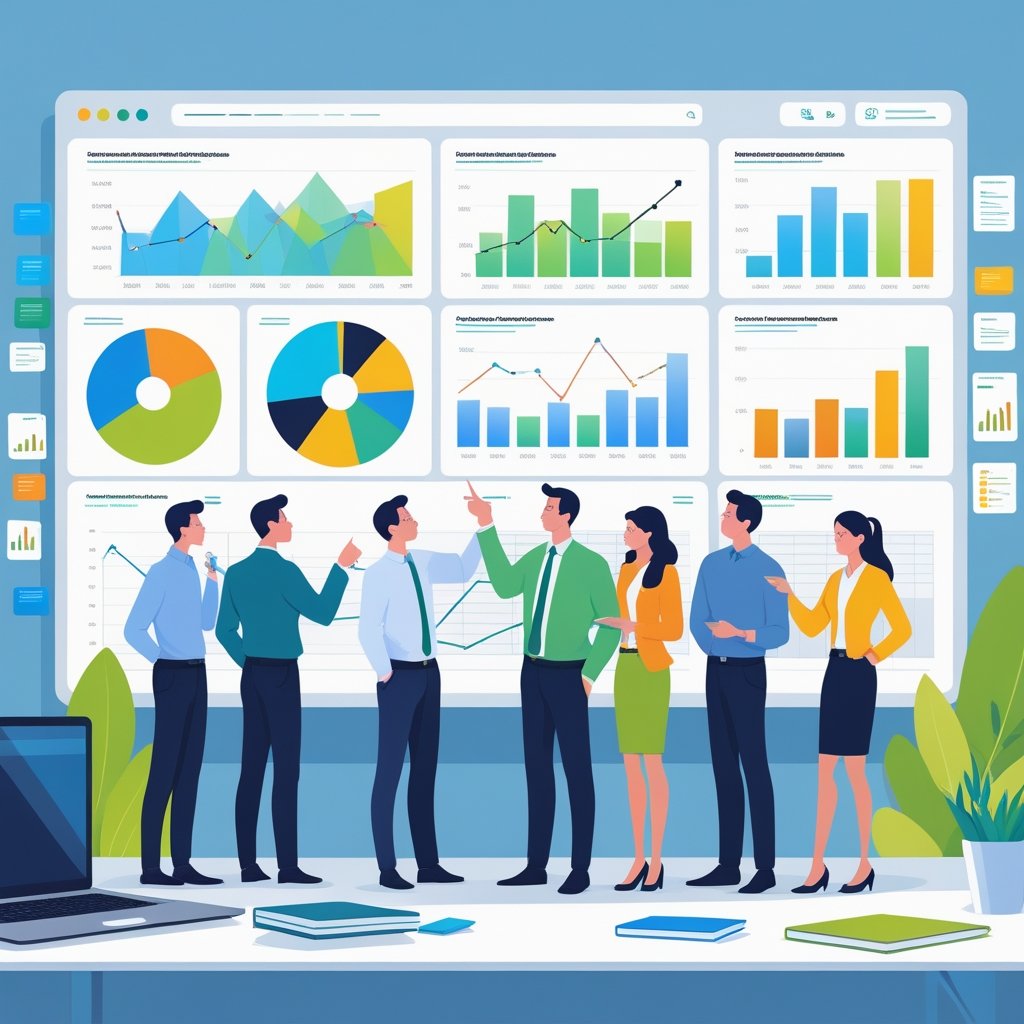
Advanced marketing analytics enables us to identify meaningful metrics, apply predictive and prescriptive techniques, and connect data from multiple systems to make measurable improvements in campaign performance. It also allows us to evaluate the trade-offs between using free and paid tools for different analytical needs.
What are the essential components to track in marketing performance analytics?
We focus on metrics such as customer acquisition cost (CAC), conversion rate, customer lifetime value (CLV), and return on marketing investment (ROMI). These indicators help us assess campaign efficiency and profitability.
Tracking engagement data—like click-through rates and retention metrics—also provides insights into customer behavior. By comparing these data points, we can identify areas to optimize spending and improve overall performance.
How does advanced marketing analytics enhance decision making for marketers?
By using predictive modeling, statistical analysis, and machine learning, we can move beyond descriptive reporting to uncover why outcomes occur. This approach strengthens our ability to anticipate market shifts and customer needs.
We rely on data-driven evidence rather than assumptions, giving us greater confidence in resource allocation and campaign design. As a result, decisions reflect actual patterns in customer and market data.
Which tools are considered as industry leaders in marketing analytics?
Platforms like Google Analytics 4, Adobe Analytics, HubSpot Marketing Hub, and Tableau remain central to performance measurement. Each offers robust tracking, visualization, and integration features.
For enterprise needs, Salesforce Marketing Cloud and SAP Marketing Cloud provide more advanced data automation and cross-channel tracking. We select tools based on scalability, data integration, and reporting capabilities.
What types of advanced analytics are most important for measuring marketing success?
Descriptive, predictive, and prescriptive analytics form the foundation of performance tracking. Descriptive analytics summarizes what has happened, while predictive analytics forecasts likely outcomes.
Prescriptive analytics recommends specific actions to optimize results. Techniques such as regression analysis, cluster modeling, and marketing mix modeling allow us to link marketing actions directly to revenue impact.
How can companies integrate their marketing performance data across various platforms?
Integration requires creating a unified data architecture that consolidates information from customer relationship management (CRM) systems, ad platforms, and analytics dashboards. Using APIs and data warehouses enables smooth data exchange and consistent measurement.
We often employ ETL (extract, transform, load) workflows to standardize data for analysis. Unified dashboards then allow teams to evaluate performance holistically across channels and campaigns.
What are the benefits of using free marketing analytics tools, and how do they compare to paid versions?
Free tools like Google Analytics or Meta Insights provide essential tracking capabilities for impressions, traffic, and basic conversion metrics. They offer sufficient functionality for small or early-stage teams.
Paid solutions deliver more advanced segmentation, attribution modeling, and automation. We often use a combination of both to balance cost efficiency with analytical depth, scaling to paid options as data requirements grow.