
Importance of On-Page SEO: Proven Techniques for Optimization
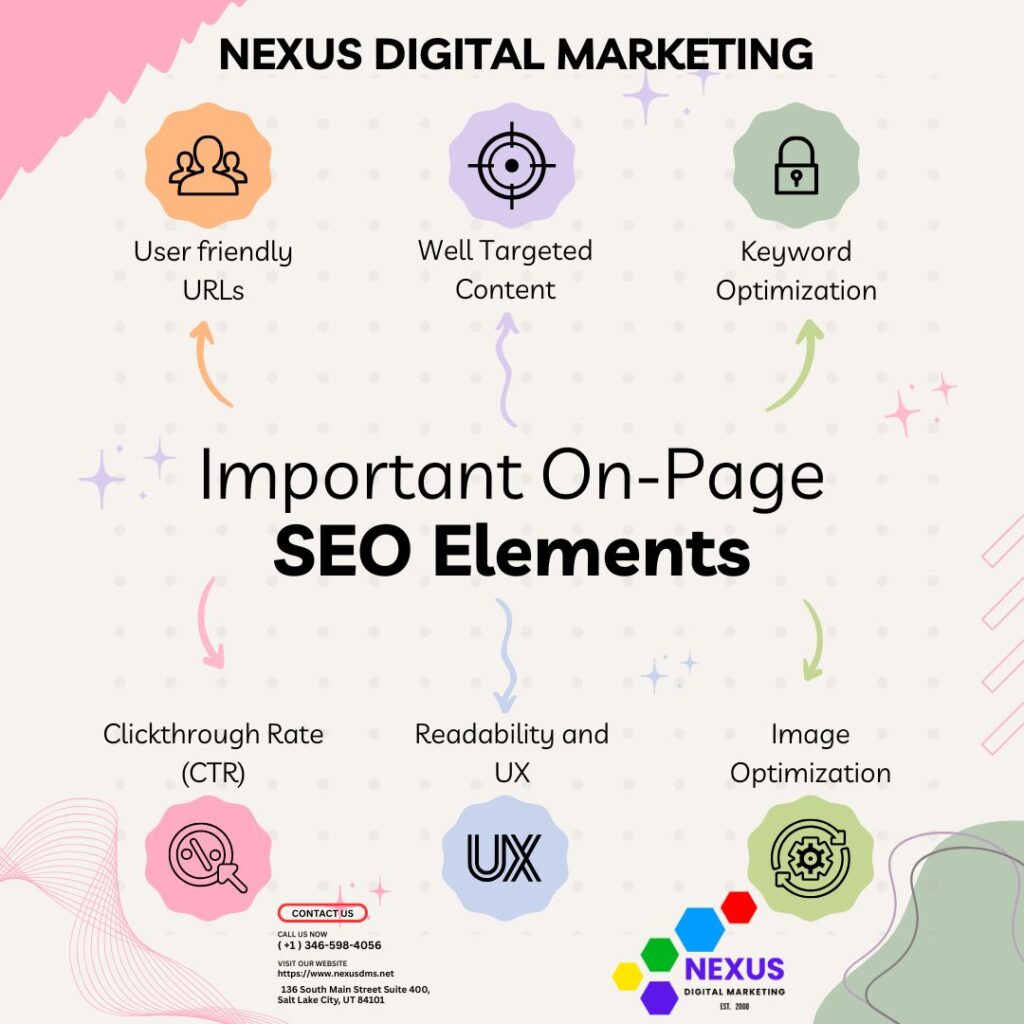
On-page SEO is the process of optimizing individual web pages to rank higher in search engines and drive more relevant organic traffic. This involves enhancing both the content and HTML source code elements that search engines use to understand what your website is about. Effective on-page SEO helps search engines like Google recognize whether your content matches what users are searching for, directly impacting your visibility online.
Unlike off-page SEO which focuses on external factors, on-page optimization gives website owners direct control over ranking factors. These include strategic keyword placement, optimizing title tags and meta descriptions, creating quality content, structuring headings properly, and improving technical elements like page speed and mobile-friendliness. Each of these components sends signals to search engines about the relevance and value of your content.
For businesses in Salt Lake City and throughout Utah, implementing proper on-page SEO techniques can significantly improve local search visibility. The beauty of on-page optimization is that it creates a foundation for all other SEO efforts to build upon. When content is properly optimized from the beginning, it stands a much better chance of ranking well and connecting with the target audience, ultimately converting visitors into customers.
Comprehensive Guide to On-Page SEO Optimization
On-page SEO represents one of the most powerful tools in your digital marketing arsenal. It involves optimizing individual webpage elements to improve search visibility, drive targeted traffic, and boost conversions.
Defining On-Page SEO and Its Role in Website Ranking
On-page SEO refers to the practice of optimizing elements directly on your website to improve search engine rankings. Unlike off-page SEO (which focuses on external signals like backlinks), on-page optimization deals with factors you have complete control over.
Search engines use these on-page elements to understand what your content is about and how relevant it is to user queries. When implemented correctly, on-page SEO helps search engines like Google properly categorize and rank your content.
Key components include optimizing title tags, meta descriptions, headers, content, URLs, and internal linking structures. These elements work together to signal topic relevance to search algorithms.
On-page SEO remains crucial in 2025 because it forms the foundation of any successful SEO strategy. Even as algorithms evolve, these fundamental on-page factors continue to influence rankings significantly.
Key On-Page SEO Factors That Influence Search Results
Title tags play a critical role in on-page SEO. Ideally, titles should include the target keyword near the beginning and remain under 60 characters to avoid truncation in search results. This improves both rankings and click-through rates.
Meta descriptions don’t directly affect rankings but significantly impact click-through rates. They should be compelling, include keywords (which appear bolded in results), and stay under 160 characters.
Content quality stands as perhaps the most important factor. Content should be:
- Unique and valuable
- Comprehensive and detailed
- Properly formatted with headers (H1, H2, H3)
- Optimized with strategic keyword placement
- Structured for both human readers and AI systems
URL structure should be clean, concise, and include relevant keywords. Internal links help search engines understand site architecture and distribute page authority throughout the website.
On-Page SEO Best Practices for Maximizing Visibility
Keyword research forms the foundation of effective on-page SEO. Use tools like Semrush to identify relevant keywords with good search volume and manageable competition. Include your main keyword in the title, first 100 words, and at least one H2.
Content formatting significantly impacts both user experience and search visibility. Use:
- Short paragraphs (1-3 sentences)
- Bullet points and numbered lists
- Bold important information
- Descriptive subheadings
- Relevant images with optimized alt text
Page loading speed affects both rankings and user experience. Compress images, minimize code, and leverage browser caching to improve performance across all devices.
Mobile optimization is non-negotiable. Google primarily uses mobile-first indexing, making responsive design essential for ranking success.
Advanced On-Page SEO Techniques for Modern Websites
Schema markup helps search engines better understand your content by providing structured data. This can enhance SERP displays with rich snippets, potentially increasing click-through rates by up to 30%.
E-E-A-T (Experience, Expertise, Authoritativeness, Trustworthiness) has become increasingly important. Showcase author credentials, cite reputable sources, and provide comprehensive, accurate information to demonstrate E-E-A-T signals.
Search intent optimization goes beyond keywords to understand why users search for specific terms. Content should align with informational, navigational, commercial, or transactional intent to match what users actually want.
AI answer engine optimization requires structured content with clear sections, definitions, and concise information. Format content with information-rich headings, tables, and lists to increase chances of appearing in AI-generated answers.