
In the rapidly evolving landscape of digital marketing, leveraging artificial intelligence has emerged as a pivotal strategy for enhancing operational efficiency. By integrating AI tools into their marketing processes, businesses can automate mundane tasks, analyze vast amounts of data, and gain actionable insights that drive better decision-making. This allows marketers to focus on higher-level strategy and creative initiatives, ultimately enhancing the overall effectiveness of their campaigns.
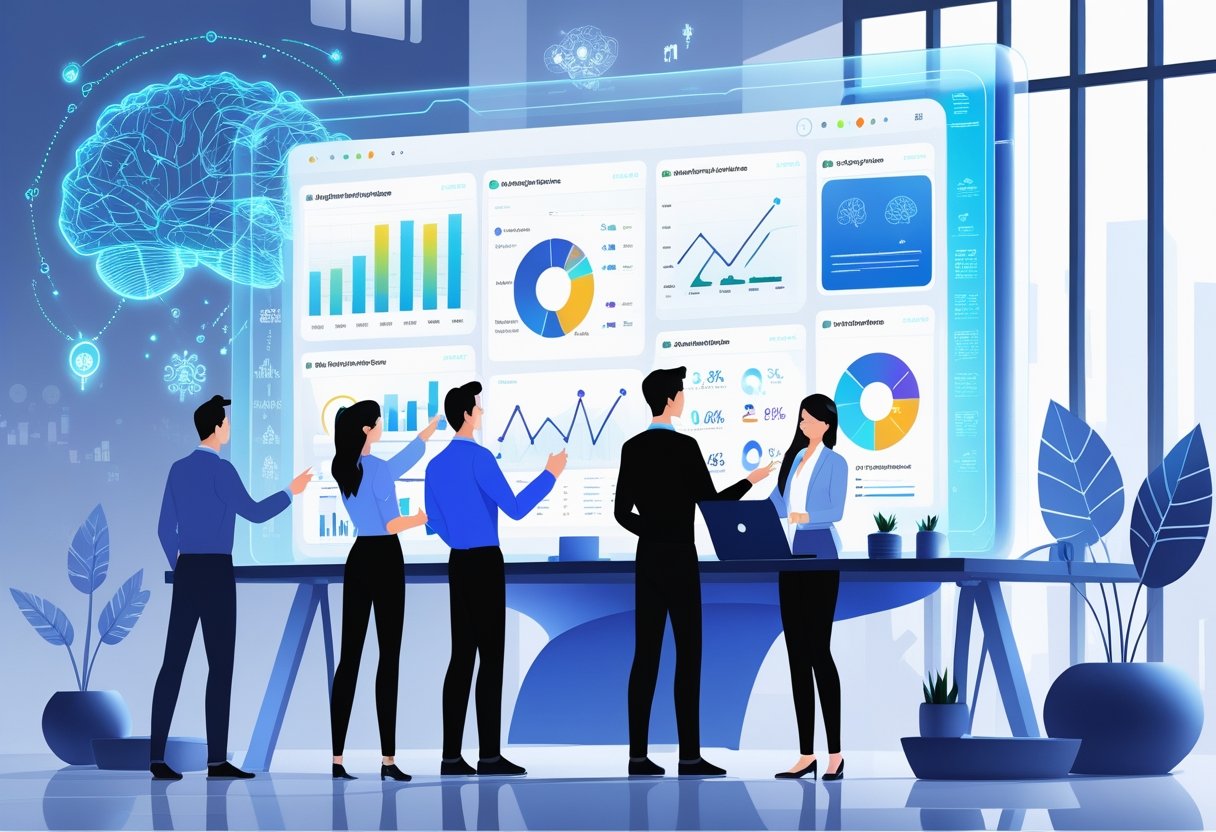
AI’s ability to deliver hyper-personalized experiences and optimize campaigns in real-time transforms how brands connect with their audiences. With features like predictive analytics and automated content creation, companies can streamline their marketing efforts and tailor their messages based on consumer behavior. This shift not only improves customer engagement but also significantly boosts return on investment (ROI).
Understanding how to harness AI effectively is crucial for businesses striving for a competitive edge. As organizations continue to explore the integration of AI in digital marketing, they are not just adopting a trend but positioning themselves for long-term success in a data-driven world.
Frequently Asked Questions
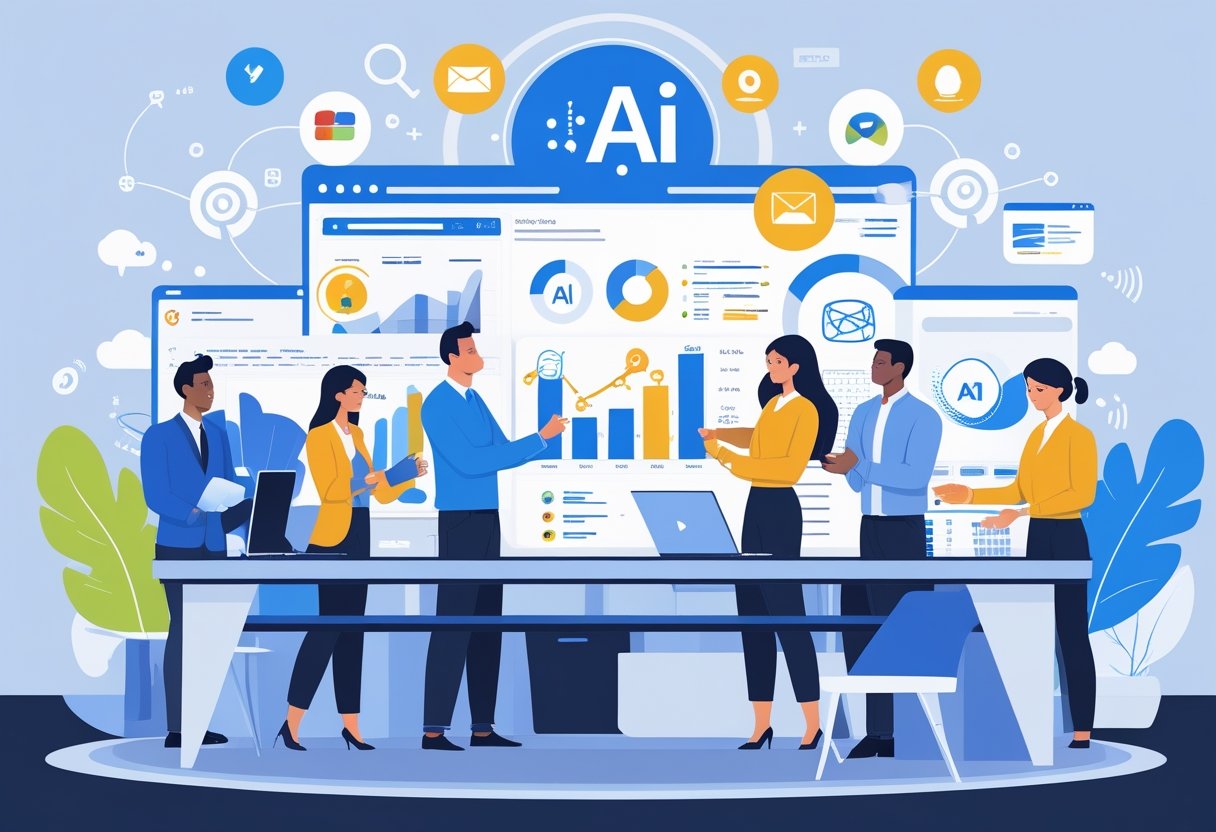
The integration of artificial intelligence in digital marketing brings numerous advantages and specific applications that greatly enhance efficiency. The following key questions address the core aspects and implications of AI utilization in this field.
What are the key benefits of utilizing AI in digital marketing strategies?
Utilizing AI in digital marketing strategies offers several benefits. It enables highly personalized customer experiences through data analysis, allowing marketers to tailor content and recommendations to individual preferences. This increased personalization leads to better engagement and higher conversion rates.
Additionally, AI can automate repetitive tasks, such as data analysis and ad bidding, which saves time and frees up marketing teams to focus on creative strategies. Improved efficiency in campaign management translates to optimized resource allocation and enhanced ROI.
How can artificial intelligence be applied to enhance content personalization in marketing?
AI enhances content personalization by analyzing customer data, including online behavior and preferences. Machine learning algorithms can segment audiences based on their interactions and tailor content accordingly. For example, personalized email campaigns can be developed that resonate with individual consumer interests.
Recommendation engines, commonly seen in platforms like Netflix and Amazon, suggest products or content based on past behavior. This leads to a more engaging user experience and fosters customer loyalty by providing relevant suggestions to users.
What are some notable examples of successful artificial intelligence implementation in marketing?
Several companies have successfully implemented AI in their marketing strategies. For instance, Sephora uses AI in its mobile app to offer personalized product recommendations based on user interactions and preferences. This application has significantly enhanced customer engagement.
Another example is Coca-Cola, which employs AI to analyze social media data and tailor marketing campaigns that align with current trends. Both cases illustrate how AI can effectively meet consumer needs and improve marketing effectiveness.
In what ways can AI improve data analysis and targeting in digital marketing?
AI improves data analysis by quickly processing vast amounts of data, uncovering trends and insights that traditional methods may overlook. AI-driven analytics tools can identify which marketing channels yield the highest conversion rates, allowing marketers to optimize their campaigns based on real-time data.
Moreover, AI enhances targeting by enabling precise audience segmentation. By analyzing user behaviors, preferences, and demographics, businesses can direct their marketing efforts towards the most relevant segments, improving both engagement and conversion potential.
What challenges and limitations should businesses be aware of when incorporating AI into their digital marketing?
While AI offers significant advantages, businesses face challenges in its implementation. Developing AI solutions can be costly, and ensuring high-quality data for effective algorithms is crucial. Companies need to address data privacy concerns and compliance with regulations such as GDPR.
Additionally, integrating AI with existing systems can pose compatibility issues. Many businesses operate on legacy systems that are not optimized for new technologies. Careful planning and potential infrastructure upgrades are necessary to facilitate successful AI integration.
How is AI expected to transform the digital marketing landscape by the year 2025?
By 2025, AI is anticipated to play a pivotal role in the digital marketing landscape. Innovations in machine learning will enhance customer interaction through even more accurate predictive analytics. Businesses will likely adopt AI for hyper-personalization, allowing for tailored customer journeys at scale.
Automation will continue to evolve, simplifying campaign management and enhancing efficiency. As AI technology advances, its integration into marketing strategies will become a standard practice, fundamentally altering how businesses connect with their audiences.